
Binance Exchange Returns: A Comprehensive Analysis of Profit Potential in 2025
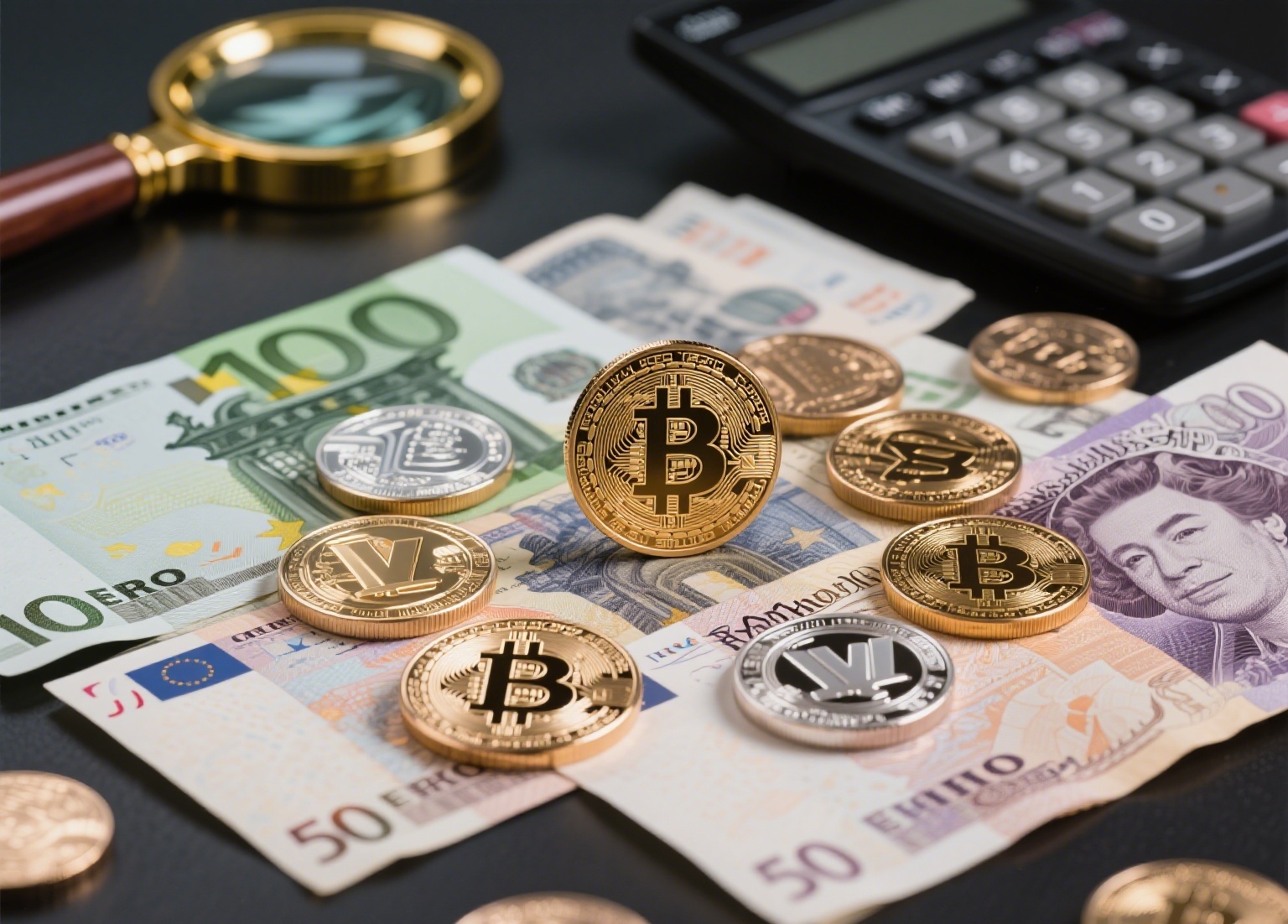
As the world’s largest cryptocurrency exchange by trading volume, Binance remains a central topic for both retail and institutional investors. The question "how does Binance exchange perform in terms of returns?" is not just about spot trading profits, but also about the diverse income streams the platform offers. Understanding these can help users make informed decisions without relying on speculation.
First and foremost, Binance’s core return comes from spot and margin trading. The platform supports hundreds of trading pairs with relatively low fees—0.1% per trade, which can be further reduced by using BNB (Binance Coin) for fee payments. For active traders, this fee structure significantly improves net returns compared to many traditional exchanges. However, market volatility means that returns depend entirely on the user's strategy, risk management, and timing.
Beyond simple trading, Binance offers several passive income products. The most popular is Binance Earn, which includes flexible savings, locked staking, and DeFi staking. For example, flexible savings on stablecoins can yield annual percentage yields (APY) ranging from 2% to 8%, depending on market demand. Locked staking for major tokens like Ethereum (ETH) or Solana (SOL) often provides 5% to 15% APY. These instruments are ideal for users who want to hold assets long-term while generating steady returns.
Another significant income source is Binance Launchpad and Launchpool. These programs allow users to stake BNB or other supported tokens to earn newly issued project tokens. Historically, some Launchpool events have delivered returns of over 30% in a single week during high-demand launches. However, it is important to note that these returns are not guaranteed and depend on the success of the new project. Due diligence is essential before participating.
For more advanced users, Binance Futures offers leveraged trading, which can amplify both gains and losses. While the maximum leverage can go up to 125x on certain contracts, this product is only suitable for experienced traders. Most retail users should approach futures with caution, as the risk of liquidation is high. In contrast, the Binance Copy Trading feature allows beginners to mimic the strategies of top-performing traders, reducing the learning curve while still offering the potential for returns.
Binance also rewards users through its referral program. By inviting friends, users can earn up to 40% of their trading fees. For those with a strong social network or content platform, this can become a reliable secondary income stream. Additionally, the Binance Visa Card provides cashback in BNB on everyday purchases, effectively turning daily spending into crypto returns.
It is crucial to consider the risks. While Binance is a regulated entity in multiple jurisdictions, it has faced regulatory challenges in countries like the United States and the United Kingdom. These factors can affect deposit and withdrawal availability. Moreover, returns from staking and earning products are variable and can change based on market conditions, token supply, and network activity.
In summary, Binance exchange offers a wide spectrum of return opportunities—from low-risk savings accounts to high-risk leveraged trading. The actual returns depend heavily on the user's knowledge, risk tolerance, and market timing. For most investors, a balanced approach using spot trading combined with staking and Launchpool access provides a healthy risk-to-reward ratio. Always remember to only invest what you can afford to lose, and stay updated with Binance’s official announcements to avoid scams and phishing attacks.


发表评论